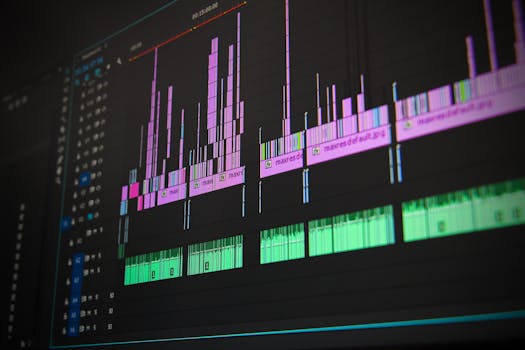
The transformative impact of video game composers in the music industry is profound, shaping how music interacts with and enhances the user experience in interactive entertainment. Video game music, once background filler, has ascended to become a vital element in storytelling and player engagement, demonstrating the unique challenges and creative possibilities inherent in composing for adaptive and immersive environments.
Innovative Composition Techniques
Video game composers utilize adaptive music techniques that dynamically respond to player inputs and game states. This approach requires a non-linear composition method, where music must fluidly transition between different themes based on gameplay events. This could mean altering the intensity, rhythm, or mood of a piece to reflect the on-screen action, a stark contrast to the static compositions found in film and television. These methods not only enhance the emotional engagement of players but also ensure that the music contributes directly to the atmosphere and pacing of the game.
.png)
Technological Integration and Spatial Audio
Advancements in gaming technology have expanded the toolkit available to composers, particularly with the advent of spatial audio and 3D sound design. In virtual reality (VR) games, for instance, composers have the opportunity to place sounds and musical scores in a three-dimensional space, greatly enhancing the player's immersion and the realism of the game world. Such innovations challenge composers to merge traditional music skills with cutting-edge audio technology, pushing the boundaries of what music can achieve in a digital space.
Collaborative Development Processes
The process of creating music for video games is notably collaborative, involving early and ongoing interactions with game developers, sound designers, and other creatives. This teamwork ensures that the music not only matches the visual and narrative elements of the game but also complements other sounds like voiceovers and effects. In some cases, the music composition can even influence game design decisions, such as pacing, atmosphere, and narrative development, highlighting the integral role of music in the game creation process.
Cultural and Artistic Recognition
The cultural impact of video game music has grown significantly, with its influence extending beyond gaming into concerts, albums, and popular media. Performances like "Video Games Live" have brought video game music to classical concert halls, showcasing the complexity and artistic depth of these compositions to a broader audience. This recognition is further amplified by the accessibility of game music on streaming services and social media, allowing a global audience to experience and appreciate the artistry involved in video game soundtracks.
Diverse Musical Styles
Video game composers often draw from a vast array of musical genres and traditions, incorporating elements from classical, jazz, electronic, and world music into their scores. This eclectic approach not only enriches the game's auditory landscape but also appeals to a wide range of musical tastes and preferences. By embracing such diversity, video game music has become a genre-defying field of musical expression, attracting listeners and composers from various backgrounds and interests.
In essence, video game composers are at the forefront of an artistic revolution within the music industry. By integrating adaptive composition, advanced audio technology, collaborative creation, and diverse musical influences, they are redefining the role of music in media and entertainment. As the video game industry continues to expand, the innovative contributions of these composers will undoubtedly play a pivotal role in shaping the future of both gaming and music composition.