Elevating Game Experience Through Masterful Audio Design
Audio design in video games is not just an accessory but a pivotal element that significantly enhances player immersion and emotional engagement. By meticulously crafting sound effects, ambient noises, voice-overs, and musical scores, audio designers play a crucial role in transforming a gaming experience into a vivid and dynamic journey.
Sound Effects: The Unsung Heroes of Gameplay
.png)
Sound effects form the backbone of audio design in video games. These are the sounds triggered by player actions or environmental changes, such as swinging weapons, footsteps on varying terrains, or the subtle creak of a door. Effective sound effects provide immediate feedback to players, allowing them to comprehend and feel the impact of their actions within the game's universe. This real-time auditory response is essential for creating a tactile sense of interaction and realism.
Ambient Sounds: Crafting the World's Atmosphere
Ambient sounds are crucial for building the game world's atmosphere. These sounds do not directly interact with the player's actions but instead envelop the background to enhance the sense of place and time. Whether it's the rustling leaves in a mystical forest or the bustling noise of an urban sprawl, ambient sounds enrich the environmental storytelling, making the game worlds more believable and immersive.
Voice-Overs: Bringing Characters to Life
Voice acting in video games can make or break the connection between the player and the characters. Through voice-overs, which include dialogues, narrations, and various vocal expressions, characters gain depth and personality. High-quality voice acting enhances narrative delivery and emotional depth, providing a more engaging and relatable experience. It also serves as a critical narrative tool, guiding players through the story and gameplay without disrupting the immersive experience.
Music: Setting the Emotional Tone
Music in video games is a dynamic tool used to set the game's tone and influence the emotional landscape. It adjusts to the gameplay context—intensifying during combat scenes, softening to evoke sadness, or uplifting spirits during triumphant moments. A well-composed soundtrack not only complements the visual aesthetics but also significantly enhances the emotional responses and overall atmosphere of the game.
Integration and Technical Challenges
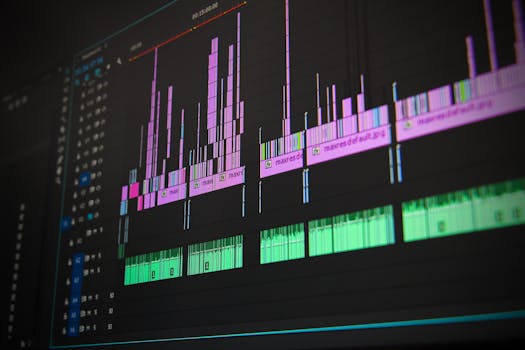
Integrating audio effectively requires meticulous synchronization with the game’s visual elements. Audio designers must ensure that audio cues like footsteps or environmental sounds correspond accurately to visual components and gameplay mechanics. Additionally, navigating the technical landscape involves overcoming challenges related to the hardware limitations, optimizing sound for various platforms without compromising quality, and using sophisticated software to create or modify sounds.
Conclusion: The Art and Science of Game Audio Design
In essence, audio design in video games is a blend of art and technology, requiring both creativity and technical prowess. A well-designed audio landscape not only deepens immersion but also enhances narrative delivery and enriches the player's emotional journey. As technology evolves, so too do the tools and capabilities in audio design, promising even more immersive and emotionally compelling gaming experiences in the future. Thus, understanding and appreciating this field can significantly enrich one’s gaming experience and inspire future generations of game developers.