Sound effects in video games are crucial elements that go beyond merely filling the silence. They enrich the gaming experience by providing essential feedback, setting the atmospheric tone, and enhancing the narrative. This comprehensive look at the role of sound in video games reveals just how integral these auditory cues are to immersive gameplay.
Essential Feedback through Sound
One of the primary roles of sound effects in video games is to provide players with immediate feedback. For instance, the sound of footsteps might alert players to an approaching enemy, offering a crucial tactical advantage. Similarly, distinctive sounds accompanying actions like picking up items or unlocking doors serve as confirmation that the player has successfully interacted with the game environment. Such sounds are indispensable as they allow players to understand their actions' outcomes without relying solely on visual confirmations.
.png)
Setting the Atmospheric Tone
The atmosphere of a video game is heavily influenced by its sound design. In horror games, sound effects build up a tense environment: a door creaks, footsteps echo through empty halls, whispers float around, all crafting a haunting ambiance. On the flip side, games set in serene environments might employ soft wind chimes, rustling leaves, and gentle water streams to soothe players and enhance the peacefulness of the setting. Thus, sound effects are pivotal in conveying the emotional and physical spaces within a game.
Narrative Enhancement through Auditory Cues
Sound effects are also powerful storytelling tools in video games. They can reveal aspects of a character, hint at upcoming plot twists, or illustrate environmental backstories. Changes in the sound of a character’s footsteps might reflect their emotional state or physical condition, adding depth to the narrative without overt dialogues or descriptions. Environmental sounds, like the bustling noise of a city or the ominous roll of distant thunder, provide context about the setting, enriching the game’s story and world-building.
The Craft of Sound Design
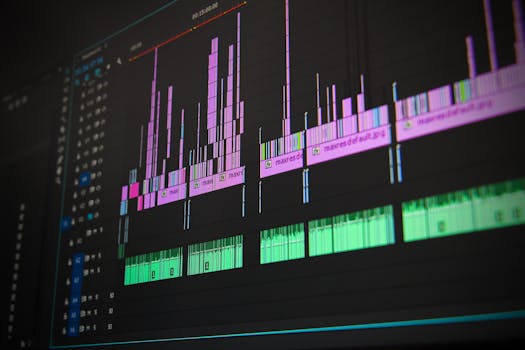
Creating impactful sound effects involves much more than recording basic noises. Sound designers use sophisticated tools and techniques to craft, layer, and manipulate sounds specifically tailored for the game’s environment and interactions. This might include adjusting sounds dynamically in response to player actions or game events, such as increasing the intensity of a storm’s sound as it approaches. Effective sound design ensures that the audio consistently aligns with and enhances the player’s experience.
Challenges in Sound Design
Despite its significance, sound design is not without challenges. Balancing sound effects with other audio elements like music and dialogue is crucial. Poorly balanced audio can overpower important dialogue or undermine the emotional impact of the game’s soundtrack. Moreover, creating distinctive and memorable sound effects that aren't repetitive or irritating requires creativity and a keen understanding of sound aesthetics.
The Future of Sound in Gaming
As technology evolves, so too does the potential for innovative sound design in video games. Advances in 3D audio technology and virtual reality herald new opportunities for even more immersive soundscapes, potentially transforming how players interact with games. Sound could take on a more central role in gameplay mechanics, enhancing the realism and engagement of the gaming experience.
Conclusion
Sound effects in video games are fundamental to enhancing gameplay, providing player feedback, setting the atmospheric tone, and enriching the narrative. As the gaming industry continues to evolve, the role of sound effects is set to expand, promising exciting possibilities for future game development. Appreciating the complexity and importance of sound design can deepen one's appreciation of video games as a sophisticated, immersive art form.