The evolution of video game music from basic 8-bit melodies to elaborate orchestral compositions is a testament to the technological advancements and growing artistic recognition within the gaming industry. This journey not only reflects the technological progress but also underscores the increasing importance of music in enhancing the gaming experience and emotional engagement of players.
In the early stages of video gaming, technical constraints limited music to simple, looped 8-bit sounds that, despite their simplicity, became iconic in their own right. These early soundtracks had to work within the confines of the hardware capabilities of systems like the Atari and the NES. Composers like Koji Kondo and Nobuo Uematsu pushed these boundaries, creating memorable, enduring melodies that laid the groundwork for the future of video game music.
As gaming consoles evolved, so did their audio capabilities. The shift from 8-bit to 16-bit consoles in the early 90s expanded the musical palette available to composers, which allowed for more complex and textured soundtracks. The SNES, for example, utilized the Sony SPC700 sound chip, enabling richer audio experiences with more voices and better sound quality. This era saw sophisticated scores that could support stronger narrative and deeper emotional connections, with games like "Secret of Mana" and "Final Fantasy VI" leading the charge.
.png)
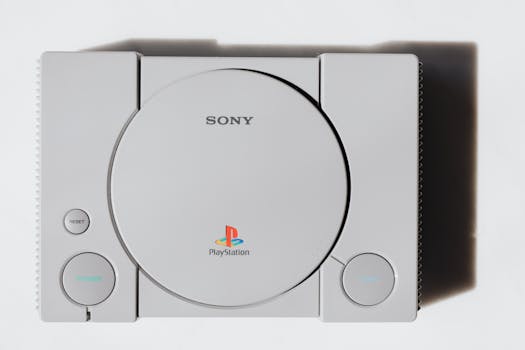
The introduction of CD-quality audio with consoles like the PlayStation and the Xbox was a major leap forward. This technology allowed composers to incorporate fully orchestrated soundtracks, recorded with live orchestras, which added a cinematic quality to the games. This era marked the beginning of video game music’s transition into a form that could be appreciated not only within the context of the games but also as standalone art. Titles like "Metal Gear Solid" and "The Elder Scrolls IV: Oblivion" showcased the potential of these orchestral compositions to elevate gaming to an experience comparable to film.
In recent years, the distinction between video game music and film music has continued to blur, with composers moving between industries. Video game soundtracks have grown in complexity and stature, attracting renowned composers like Hans Zimmer and Harry Gregson-Williams. The inclusion of video game scores in concerts and the availability of soundtracks on streaming platforms have further validated video game music as a significant form of artistic expression.
Furthermore, the interactive nature of video games offers unique compositional opportunities—such as dynamic soundtracks that react to player actions and decisions, which is not possible in the linear formats of film and television. This interactivity adds an additional layer of complexity and engagement to the music.
With the continual advancements in sound technology and the growing sophistication of both gamers and game developers, the future of video game music holds exciting possibilities. From immersive VR experiences to the integration of AI in music production, new technologies will likely continue to push the boundaries of what can be achieved.
In conclusion, video game music has evolved significantly from its primitive beginnings to become a sophisticated, respected art form. Its development mirrors the evolution of the video games themselves—from simple entertainment to complex, immersive experiences that combine art, technology, and storytelling. The journey of video game music is not just about technological advancement but also about the recognition and appreciation of the emotional and narrative depth that music brings to the virtual worlds. As we look to the future, it is clear that music will continue to play an integral role in defining and enriching the gaming experience.