The transformation of video game music into a respected and dynamic platform for composers has been both profound and inspiring. Initially serving as mere background noise, video game music has evolved into an integral part of the gaming experience, greatly enhancing storytelling and player immersion. This shift reflects broader technological advancements and a growing recognition of the artistic value of video game scores.
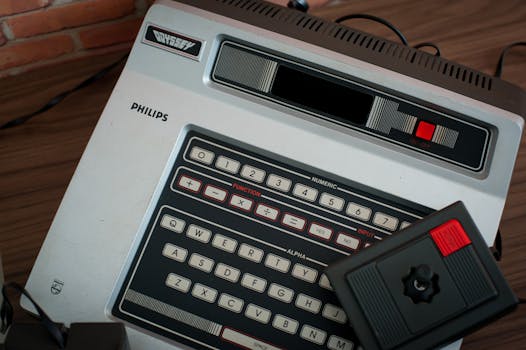
The early days of video game music were marked by technological constraints that limited compositions to simple, looped sequences designed to fit within the memory capacities of the consoles. However, as technology progressed, so did the complexity and quality of the music. This evolution paralleled that of the games themselves, transitioning from basic graphics and gameplay to intricate narratives and detailed worlds.
Modern video game music seamlessly blends a variety of genres and styles, attracting composers who view the medium as a legitimate and appealing outlet for their creative expressions. Esteemed series like "Final Fantasy," "The Legend of Zelda," and "Halo" are celebrated not only for their innovative gameplay and rich storytelling but also for their memorable musical scores composed by talents like Nobuo Uematsu, Koji Kondo, and Martin O'Donnell. These composers have become household names among gamers, with their works performed in concert halls and recognized in award ceremonies, underscoring the cultural significance of their contributions.
.png)
Composing for video games offers unique challenges and opportunities not typically found in other forms of media. Video game music must be adaptive, able to change in response to player actions and fit diverse game dynamics. This requires composers to think nonlinearly, creating music that can loop and evolve without becoming repetitive or intrusive. Techniques such as dynamic layering and branching music paths allow the music to remain fresh and engaging, enhancing the player's immersion and emotional connection to the game.
Moreover, the interactive nature of video games allows for innovative musical experimentation. In some games, player decisions directly influence the musical score, offering a personalized experience that heightens engagement. This level of interactivity is unique to the medium and provides composers with unprecedented ways to explore and influence emotional responses.
The rise of indie games has further expanded the opportunities available to composers. Independent game developers often collaborate closely with composers to develop distinctive soundtracks that enhance their games' appeal and stand out in a competitive market. This collaboration has led to the creation of iconic, impactful scores that rival those of major studios.
The community surrounding video game music also plays a crucial role in its development and recognition. Dedicated platforms, forums, and social media groups allow fans and composers to share, discuss, and celebrate game music. Concerts like Video Games Live not only showcase the popularity of video game music but also bring it to a broader audience, demonstrating its significance as a form of art.
In conclusion, video game music has ascended from its humble beginnings to become a vital element of the gaming industry and music composition. With its unique challenges and the vast creative possibilities it offers, video game music continues to attract talented composers eager to push the boundaries of musical expression. As the video game industry grows, so too does the influence and importance of its music, promising exciting futures for both composers and players.