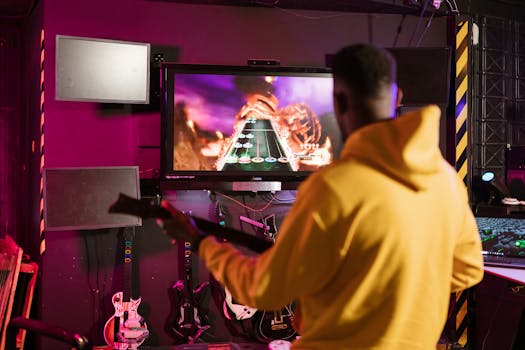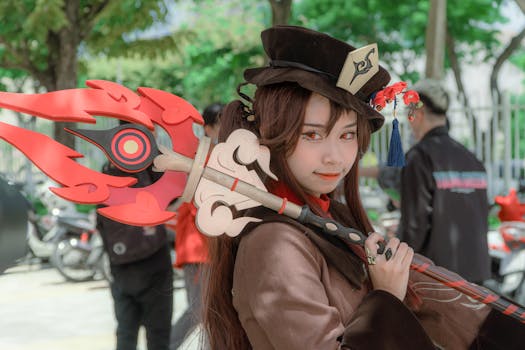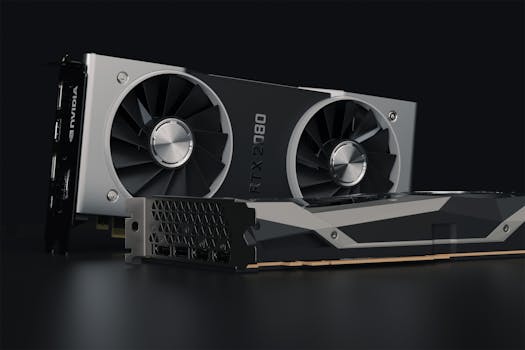
The intricate interplay between music and graphics in 3D video games not only enhances the immersive experience but also fundamentally shapes how players perceive and interact with the game world. This synergy between auditory and visual elements is crucial in creating a cohesive and engaging environment that can profoundly impact the player's emotional and sensory experience.
The Role of Music and Graphics in Enhancing Immersion
Music and graphics are more than just background elements in video games; they are integral to shaping the game's atmosphere and narrative. Graphics create a visual representation of the game world, allowing players to navigate and interact with their surroundings. Meanwhile, music complements these visuals by setting the tone and mood, whether it's the adrenaline rush in a battle scene or the eerie suspense in a horror setting.
.png)
Synchronization for Emotional and Narrative Depth
The synchronization of music and graphics can amplify the emotional intensity of gameplay. For example, a climactic battle scene paired with a rousing orchestral score can heighten the sense of urgency and importance, making the player feel like a hero in their own right. This alignment extends to quieter moments in gaming as well, where subtle music cues combined with detailed graphics can evoke deep contemplation or sadness.
Guiding Player Perception and Actions
Music often serves as an auditory cue in video games, guiding players through the narrative or alerting them to hidden dangers or opportunities. The visual cues provided by the graphics simultaneously direct the player’s attention to important details or actions required to progress in the game. This dual guidance system makes the gameplay more intuitive and keeps players engaged in the storyline.
Creating Authenticity and Sense of Place
In games that are set in specific historical periods or unique fantasy worlds, music and graphics work together to create authenticity and a sense of place. Historical games might incorporate period-appropriate music and architecture, while fantasy games offer new worlds with their own set of aesthetic and musical rules. This helps in crafting a believable world that players can fully immerse themselves in.
Character Development and Engagement
Music and graphics also play a significant role in character development. A character's theme music, along with their visual design, can tell a lot about their personality, background, and evolution throughout the game. This helps players form a deeper connection with the characters, enhancing the emotional engagement and investment in the narrative.
Leveraging Technological Advancements
Advancements in technology have allowed for more sophisticated integrations of music and graphics. Dynamic soundtracks and real-time graphics adjustments respond to player actions, making the game feel more reactive and alive. These technologies ensure that the gaming experience is not only immersive but also responsive to the player's input.
Conclusion
The dynamic relationship between music and graphics in 3D video games is a powerful tool that developers use to craft deeply engaging and emotionally resonant experiences. As technology continues to evolve, the potential for even more innovative and immersive integrations is vast. This not only promises richer experiences for gamers but also highlights the incredible potential of video games as a multidisciplinary form of art and entertainment.