Slot Machines vs. Table Games: Which to Choose for Maximum Fun?
Every casino visit—whether to a glittering resort in Las Vegas or a sleek online platform—presents a fundamental choice: should you head to the slot machines with their flashing lights and enticing jackpots, or take your seat at the table games for an experience rich in strategy, social interaction, and drama? The debate between slot machines and table games is as old as casinos themselves, and each offers a distinct type of excitement. But when it comes to maximizing fun, which is the better pick? This article dives deep into the core differences, psychological appeal, odds, and atmosphere of both, helping you make an informed choice for your next casino adventure.
The Core Differences: Slot Machines and Table Games Explained
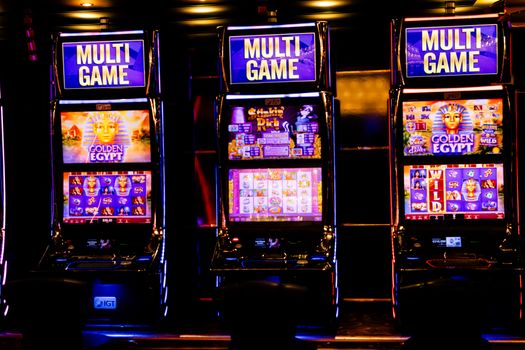
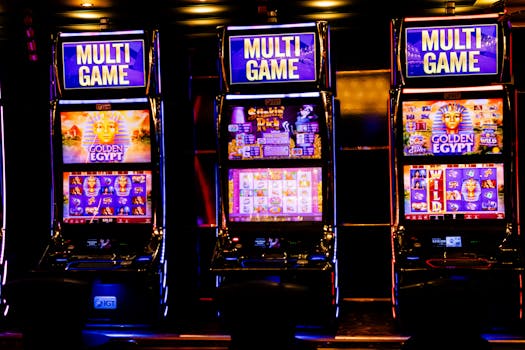
To understand which option delivers more fun, it’s crucial to know what sets slot machines and table games apart. Slot machines are solo, electronic games where outcomes are determined by random number generators (RNGs). They require little to no skill—just insert your money, press a button or pull a lever, and hope for the best. Modern casinos often have thousands of different slot titles, with themes ranging from classic fruit to blockbuster movies.
.png)
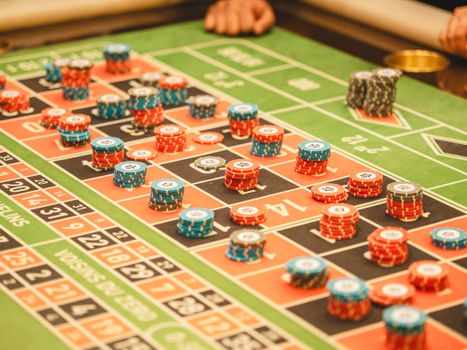
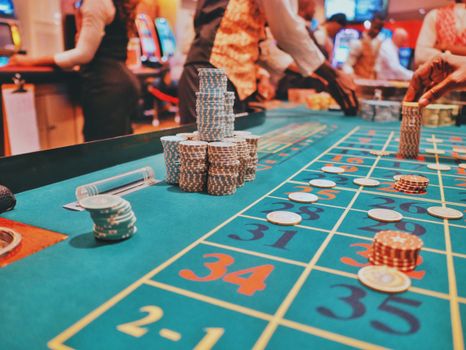
Table games, on the other hand, are group experiences managed by live dealers. They include classics like blackjack, roulette, poker, and baccarat. Table games blend chance and skill in varying degrees, often requiring player decisions that influence the outcome. The environment is interactive, with conversation and camaraderie adding to the excitement.
Here’s a quick comparison to clarify the key distinctions:
| Aspect | Slot Machines | Table Games |
|---|---|---|
| Skill Required | None | Varies (Some Skill) |
| Social Interaction | Minimal | High |
| Game Speed | Fast, Individual Pace | Moderate, Group Pace |
| House Edge | 2%–15% (average 7%) | 0.5%–5% (game dependent) |
| Minimum Bet | As low as $0.01 | $5–$25 (typical) |
| Jackpot Potential | Very High (Progressives) | Lower, Except Poker |
The Psychology of Fun: What Makes Each Game Type Exciting?
Fun is subjective, but psychologists have identified core factors that drive enjoyment in gambling: anticipation, control, social interaction, and novelty.
Slot machines excel at delivering anticipation and novelty. The bright graphics, exhilarating soundtracks, and rapid spins produce a “near-miss” effect that keeps dopamine levels high. According to the American Gaming Association, 48% of casino floor space in North America is dedicated to slots, a testament to their popularity. Many players are drawn by the simplicity—no learning curve, immediate feedback, and the tantalizing possibility of a life-changing jackpot. In 2023, the largest recorded slot machine win was $39.7 million at the Excalibur Casino in Las Vegas.
Table games, meanwhile, offer a different thrill. Here, fun stems from engagement and mastery. Games like blackjack and poker reward skill and decision-making, giving players a sense of agency. The social aspect—chatting with dealers and other players—creates a communal atmosphere that many find more entertaining than solitary slots. A 2020 study by the University of Nevada found that 62% of casino goers rated “interacting with others” as a major contributor to their enjoyment.
Odds, Payouts, and Volatility: Where Does Your Money Go Further?
When it comes to maximizing fun, understanding the financial side is crucial. How far your bankroll stretches, and the potential for big wins, can dramatically influence your experience.
Slot machines are famous for huge jackpots, especially progressive slots, which pool a portion of every bet across multiple machines. Mega Moolah, a popular online slot, paid out over $18.9 million in a single win in 2018. But this potential comes at a price: slots generally have a higher house edge, averaging 7% worldwide. This means that, over time, the casino keeps $7 out of every $100 wagered.
Table games offer better odds for the player. Blackjack, when played with basic strategy, can have a house edge as low as 0.5%. Baccarat and craps also offer relatively low edges, often under 2%. However, the betting minimums are usually higher than slots, and the pace of play is slower, which can help preserve your bankroll and stretch the fun over a longer period.
Volatility is another factor. Slots are high-volatility games: big wins are rare, but possible. Table games tend to offer more consistent, smaller wins, making them more predictable for those who prefer steady play.
Atmosphere and Experience: Lights, Action, and Social Vibes
The environment of play is a major contributor to the overall fun of casino gaming. Slot machines are designed for sensory overload: flashing lights, immersive themes, surround-sound effects, and lots of visual cues. The experience is personal and often meditative, with players lost in their own world. In fact, a 2019 survey found that 54% of slot players cited “escaping reality” as their main reason for playing.
Table games, on the other hand, are all about energy and engagement. The clatter of chips, the spin of the roulette wheel, and the lively banter around the table create a charged atmosphere. Dealers often facilitate social interaction, and the collective tension as cards are revealed or dice are thrown makes every round feel significant. For many, this shared excitement enhances the fun far beyond what solitary slot play can offer.
Learning Curve and Accessibility: Getting Started with Ease
One of the biggest advantages of slot machines is their accessibility. Anyone can walk up to a machine, insert a coin or bill, and start playing instantly. There’s no need to learn rules, memorize strategy, or worry about making mistakes. This ease of use is a big reason why more than 70% of first-time casino visitors choose slots as their entry point, according to a 2022 YouGov poll.
Table games, by contrast, can be intimidating for beginners. Games like craps or poker have complex rules, jargon, and etiquette. Even blackjack requires basic strategy to play optimally. However, many casinos and online platforms now offer low-stakes “learner tables” or tutorials to help new players get comfortable. For those willing to invest a little time, the learning curve is rewarded with deeper engagement and, often, better odds.
Which Is Better for Socializing and Entertainment?
If your definition of fun includes meeting people, sharing laughs, and enjoying a sense of community, table games are the clear winner. Whether in a bustling casino or a virtual live dealer room, table games create natural opportunities for interaction. Friendly dealers often explain the rules to newcomers, and fellow players can become instant allies or friendly rivals.
Slots, in contrast, are mostly a solitary pursuit. While some newer slot lounges encourage group play or tournament-style events, the fundamental experience is solo. For introverts or those seeking quiet focus, this can be an advantage. But for extroverts or anyone craving a lively night out, the social pull of table games is hard to beat.
Final Thoughts: Choosing Your Path to Maximum Fun
So, which should you choose for the most fun—slot machines or table games? The answer depends on your personality, goals, and what you value in a casino experience. If you crave instant action, solitary play, and the possibility of a massive payout, slots are hard to resist. Their accessibility and variety make them an easy and entertaining choice for casual or first-time players.
Table games, meanwhile, offer a richer, more interactive experience. They reward skill, foster social connections, and generally provide better odds for your money. For those who enjoy learning new games and engaging with others, table games deliver a level of excitement and satisfaction that slots simply can’t match.
Ultimately, the best approach may be to try both. Mix in some spins between hands of blackjack or rounds of roulette, and you’ll experience the full spectrum of casino fun.